Monday, July 11, 2011

Porte de Clignancourt Flea Market

This weekend, my friend Emily had a good friend, Margaret, coming to visit Paris. She wanted to introduce us and to do something we could all enjoy together: Go shopping at the flea market. We headed to Porte de Clignancourt at the very end of the 4 metro line, and immediately I fell in love with this market. Known as Les Puces (fleas), this market is enormous and has thousands of visitors each weekend. We had a great time exploring and we each made some great purchases!
Entering the maze of tiny streets filled with antiques vendors.
There's always at least one scary doll at every flea market.
The French farm table I fell in love with.


An interesting new idea for extra seating!
 After hours of exploring and shopping, comparing prices, bartering, haggling and often succeeding, we were ready for lunch. A stop at a cute cafe was just what we need, and being serenaded by accordian music (which we were later asked to pay for) set the mood for our fresh moules frites, or steamed mussels with French fries.

Emily, Margaret and Me
The Moules
The "maitre d" took pains to let us know how much he loves Americans (all Americans, just just groups of cute blonde girls) because of our war efforts during WWII. He even showed us his novelty bottle of Bordeaux wine dedicated to American WWII soldiers. We felt very proud to be Americans. And this proves that the French don't really hate us.

Porte de Clignancourt flea market was definitely a must-see part of Parisian culture. I recommend coming when you a) have an income and b) have a home to decorate! We'll be back......for sure.
No Parisian flea market is complete without a dog.

Paul Simon Comes to France

 Last Wednesday, we jumped on the chance to purchase tickets to see Paul Simon in concert, here in Paris. We bought the least expensive tickets, but luckily, once the show got going, everyone was allowed to change seats, since the concert was not sold out. So we skipped past all of the seats and moved from the farthest section from the stage...to the stage! We secured ourselves a spot in the front row, touching the stage, standing with a great view of Paul Simon himself and all of the other musicians on stage.
 The highlight was being so close to the stage. But the real highlight was the great selection of old and new songs that the band played. We even got a rendition of the Beatles' Here Comes the Sun. Paul put on a great show and we were very happy we went!

Monday, July 4, 2011

Celebrating America in France

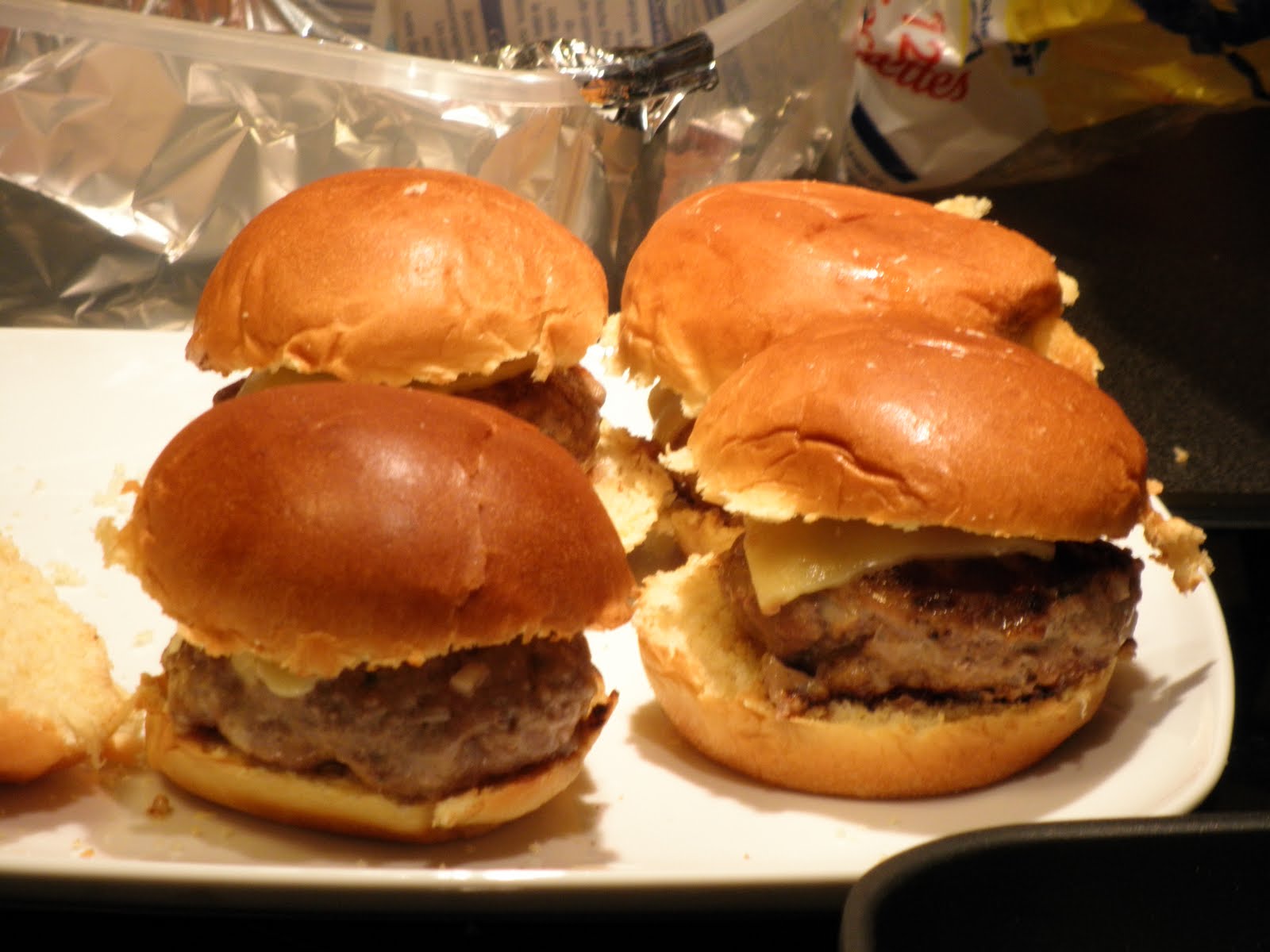
With America's Independence Day fast approaching last week, we started to get a little bit sentimental about not being home in the USA to celebrate. So we decided to share some of our favorite American traditions and foods with our Brazilian friends, Priscila and Eduardo. We headed to their new apartment near Opera and cooked them a feast of my Grandmother's gazpacho, Peter's famous "mac-and-cheese" and sliders.


When July 4th weekend finally arrived, we celebrated with a picnic at the Champs de Mars, the beautiful park spread beneath the Eiffel Tower. Complete with peanut butter and jelly sandwiches, pasta and potato salads, we had a great time celebrating America's independence with many of our American friends!


Peggy even brought her food to the picnic in a Target bag from home!

Happy 4th of July!!

Toile and the Robbins Clan

The end of June brought not only the return of beautiful weather after a week of (much-needed) rain, it also brought a visit from my parents! Even though Dad had to spend a lot of time working, we got to spend a week together enjoying the weather, sampling new restaurants (a favorite being the new Chardenoux des Pres on rue du Dragon) and just enjoying Paris.
Eglise St. Sulpice looking radiant after renovation.
 While Dad caught up on work and Peter was in class, Mom and I took a drive out to Jouy to visit the Toile museum. Jouy-en-Josas is the home to the famous Toile fabric, known world-wide for its patterns of countryside images. This town, where Peter and I lived for 8 months, was where the original Toile factory was located, and the grassy fields of the town were used for laying out great strips of dyed fabric to dry in the sun.
The French chateau housing the museum, which was visited by Napolean and Josephine
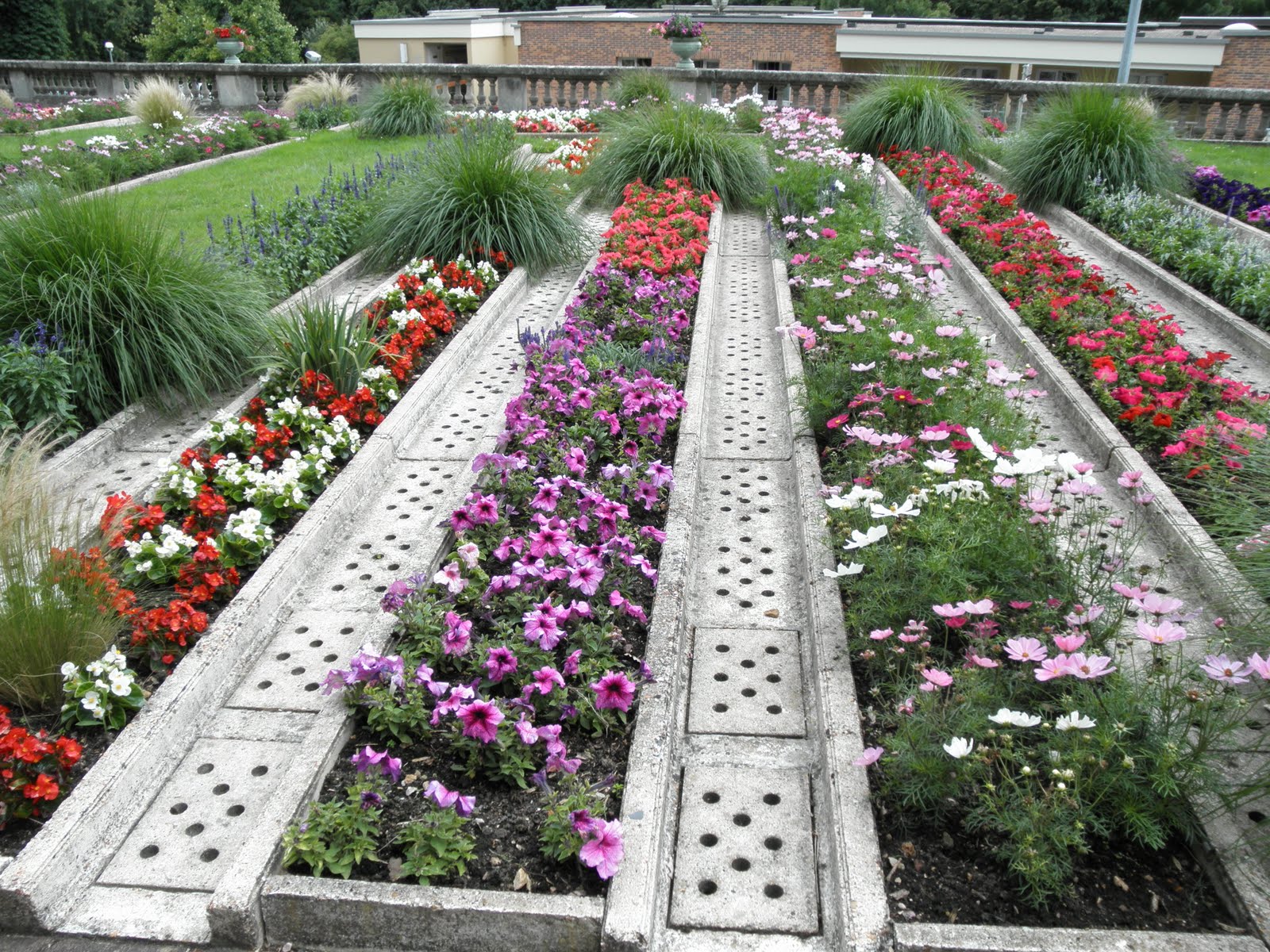
Long strips of flower beds planted to resemble the strips of fabric that used to line the town fields.
Toile fabric depicting the process of creating Toile
Toile clogs, anyone?


Toile means "cloth" in French, and Toile de Jouy means "cloth from Jouy-en-Josas" (also home to HEC's campus). This particular manufacturing of fabric was started in Jouy in 1760 by Christophe-Philippe Oberkampf, a German-born textile entrepreneur. Originally, the floral patterns "toile" is known for were printed using wood-block prints, but by 1770 Oberkampf had moved to using copperplate printing, which produced more precise designs and were more efficient.
While we didn't get to take many pictures on this trip, we had a great week with my parents. We're looking forward to heading back over the Atlantic Ocean to see both of our families again in the end of August!

Friday, July 1, 2011

Storming the Beaches of Normandy...In my Renault

Another rare Peter post on the blog.  This last weekend, I took a trip to Normandy with a few buddies to get a good look at the D-Day invasion beaches and senselessly argue about obscure military facts that none of us probably knew the answer to anyway.  I left Caroline at home to hang out with her girlfriends and so that I could increase the nerdiness factor of this trip by about 1249%.  Just a disclaimer, if you're main interests are not hardened concrete bunkers, military hardware, and random historical facts about WWII, feel free to skip this post.

Our first visit on Saturday morning was to Juno beach.  One of my travel companions, Sean, is Canadian and also a former member of the Canadian military, so we were obliged to visit the beach where the Canadians landed at D-Day and since it was the one closest to Paris, we headed there first.  Below is a map of the 5 D-Day landing beaches so one can get a sense of where we were visiting.  While all the beaches contained mix nationalities to some degree, the breakdown is as follows:  Gold and Sword beaches were the landing sites for British forces and also some of the "Free French" battalions.  Juno was the landing sites for the Canadian military, while Omaha and Utah beaches were the landing sites for American forces.  To get a sense of the size of the landing beaches, the drive between the Sword, the further beach to the east, and Utah, the furthest beach to the west was probably around 60-70 miles.  To look at it another way, the total number of troops that landed on D-Day (June 6, 1944), was around 150,000, so the size and scope of the operation was immense.
Map of Normandy and the D-Day beaches
Photo of the D-Day landing force unloading supplies after the beach had been taken
At Juno beach, we were fairly surprised to see how little evidence remained of the invasion.  Actually, there was a surprising amount of development on the beach (unfortunately I don't have photos).  It seems odd that the beach was not protected and that it seemed to be use by the public just as any other beach would be.  However, we did find the remains of a few concrete bunkers on the beach and there is a Canadian museum on the site that allows visitors to learn more about the Canadian military's role in the war.  However, Sean was a little peeved that the gift shop had a large inventory of dreamcatchers and maple syrup.


A look out on Juno Beach.  No, the tractor wasn't part of the invasion force...
A monument at Juno beach.  This indicates that Juno Beach was the landing site for Charles De Gaulle when he returned to France  on June 14, 1944.
The flags of the nations that participated in the D-Day invasion.  Free forces from many of the countries in Nazi occupied Europe participated in the invasion.

The crest for Sean's unit, the Glengarry Fencibles.  While they didn't land on D-Day, they arrived through Juno beach and continued to fight through the European theater
Sean standing next to his unit crest.

During the invasion, the Canadians were able to clear the beach of German forces in less than two hours.  However, over 340 Canadians were killed during the battle.  During the weekend, we also visited the Canadian cemetery near the town of Beny-sur-mer.  We were the only people there, but it was a beautiful place and a great memorial to those who lost their lives for Canada.  It was clear that the local French population was still grateful as well - the cemetery was extremely well maintained and overflowed with rose bushes and other flowers.


The Canadian and French flags flying above the Beny-sur-mer cemetery

Wild poppies growing outside the Canadian cemetery.  Poppies are the symbol of remembrance for many of the former British Commonwealth States.


After our morning at Juno Beach, we headed over to Omaha Beach.  Omaha was the bloodiest beach of the invasion and once we got there, we could see why.  Instead of a flat narrow beach like Juno, Omaha was overlooked by high cliffs and soldiers would have had a lot of ground to cover while under fire from German machine guns and Artillery.  Over 1,200 Americans were killed on D-Day while trying to secure Omaha Beach.  Now, atop the bluffs there is a large American cemetery that contains the remains of over 9,000 Americans that fought in Europe during WWII.  It is a moving site and we were fortunate enough to be there for an interesting memorial ceremony where a number of local residents laid a wreath at the memorial while the star spangled banner was played over the audio system.  For all the jokes we make about relations between the US and France, it is clear that our histories are heavily intertwined and that the two countries share a unique bond that comes from our experiences together in both WWI and WWII.


Look out for a part II to this posting...

Pyroconcert in the Park

Last night, we went to a classical oncert in the Parc André Citroën.  It is a pretty large park right near the bank of Seine.  It isn't a place most tourists would visit as it is set in a quiet suburban neighborhood towards the western edge of the city.  Our good friends Paul (a fellow MBA student) and his girlfriend Sara (who works in Paris) who live close to the park came with us.  It was EUR19 to buy tickets at the park and I would say it was worth it.


The concert was unique in that the classical music was set to a fireworks show.  These weren't big 4th of July fireworks, but added a really cool dimension to the show  I've uploaded a short video of the finale so you can watch it below.  I filmed it all on my iphone - pretty good quality, eh?